

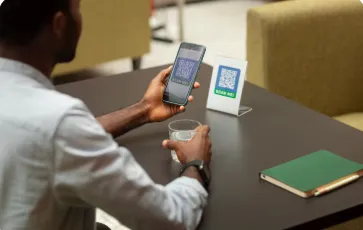
Sending funds across borders often involves checking transfer costs, execution speeds, and local banking rules carefully. Initiating a Money Transfer From South Africa requires choosing reliable payment providers that keep charges low and process transactions fast. Traditional wire services can take days to clear, pushing many senders toward digital token channels. Comparing conversion rates, verification steps, and bank payout options helps users send cash safely to friends, family, or business partners overseas without surprises.
Understand Bank Transfer Rules
National exchange control laws govern how much capital leaves local accounts every calendar year. Regular senders must complete basic identity verification and link valid tax numbers before initiating outward payments. Authorised bank dealers verify transfer details to prevent unauthorised capital flows or reporting errors. Following official clearing rules keeps transactions moving smoothly without sudden bank holds, ensuring funds reach offshore accounts on time through established, legally compliant financial channels.
Check Fixed Processing Fees
Upfront transfer costs can reduce total funds delivered if rates remain uncalculated. Bank wire charges include fixed processing fees, SWIFT routing costs, and currency conversion spreads. Comparing flat rates against digital asset options reveals cheaper pathways for moving money.
Senders exploring alternative crypto avenues often review steps for buying Bitcoin South Africa providers offer. Clear cost structures help people pick affordable routes, keeping more value intact across every international transfer.
Verify Recipient Payout Speed
Recipient arrival times depend heavily on chosen payout channels and bank clearing windows. Direct bank-to-bank transfers may take up to three business days during busy holiday periods. Digital channels often process transfers within minutes, providing real-time tracking numbers for added peace of mind. Confirming payout speeds beforehand prevents urgent delays, ensuring family members or overseas vendors receive funds exactly when expected without unnecessary operational holdups.
Use Secure Verification Steps
Protecting cash during cross-border transfers requires strong multi-factor account safety rules. Reputable transfer apps require SMS login tokens, email confirmations, and mandatory PIN entries for every outbound payment. Double-checking recipient account numbers and bank codes prevents accidental transfers to wrong destinations. Taking extra moments to verify details stops costly wiring mistakes, keeping hard-earned money safe from common online fraud tricks or processing errors.
Explore Digital Asset Pathways
Digital currency platforms offer fast alternatives to slow legacy banking rails today. Converting rand into stablecoins or major tokens allows direct peer transfers globally in minutes. Senders avoid intermediary bank fees while locking in clear exchange rates right at execution time. Testing small trial amounts first confirms address accuracy before sending larger sums, making digital token routes a practical option for modern international money transfers.
Conclusion
Processing international transfers smoothly requires evaluating legal guidelines, total conversion costs, payout speeds, and safety features. Comparing legacy bank wires against digital token options helps senders select the most efficient route for their financial needs. Double-checking recipient details and testing platforms with small sums prevents costly wiring mistakes. Reviewing detailed financial insights on ZBIT empowers individuals to move capital securely while avoiding high fees across every cross-border payment.